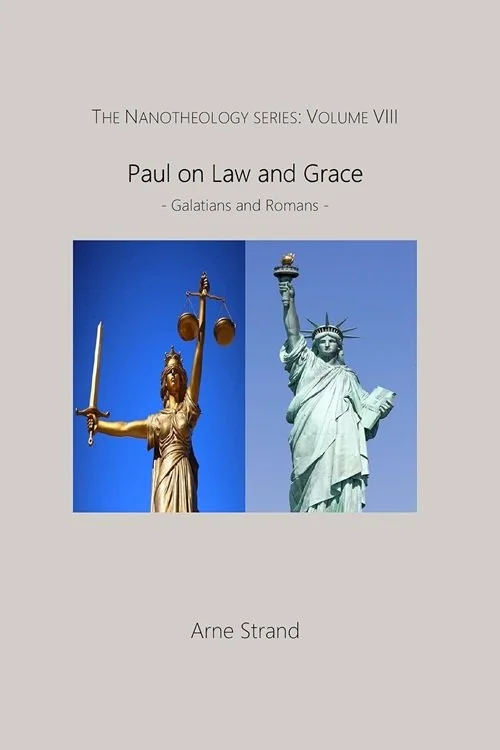
Paul’s letter to the Galatians undermines all the unbiblical theologies created by the many different legalistically minded denominations in Christendom, and it is the most spiritually liberating text in the entire Bible. Paul had founded several churches during his first missionary journey in 45-46 CE in what is today the southern part of Turkey, and had taught the believers in these regions about the freedom we have in Christ. But shortly after Paul’s founding of the churches in Galatia, Christian Jews who insisted that the converted Gentiles must follow the Law of Moses had managed to infiltrate these churches with their legalistic mindset and had bewitched the believers there, as Paul says. Paul’s epistle to these churches is as refreshing to read as Jesus’ verbal attacks on the Pharisees in the Gospels, who also wanted to lay heavy legalistic burdens on the believers just to appear to be spiritual. Paul’s letter to the Romans, written in 55 CE, eight years after his letter to the Galatians, gives us the theological foundation for Paul’s criticism of the legalists who had seduced the new converts in Galatia. Paul’s letter to the church in Rome is also a masterpiece of inspired writing, and is the foundation of the Gospel that Paul was called to preach by Jesus after Paul’s dramatic encounter with him on the road to Damascus, where he was called to bring the new Gospel of the heavenly Christ to both the people of Israel and the Gentile nations. There is no Christianity in the four Gospels, which only contain the message that the Messiah came to deliver to the nation of Israel. Paul’s letter to the believers in Rome is the theological foundation for the three so-called solas of the Reformation: sola scriptura, sola gratia and sola fide, which rightly state that the Scriptures are the only legitimate foundation of Christianity, and that our salvation is based solely on faith in Jesus Christ and grace, and not of works of any kind.